About us
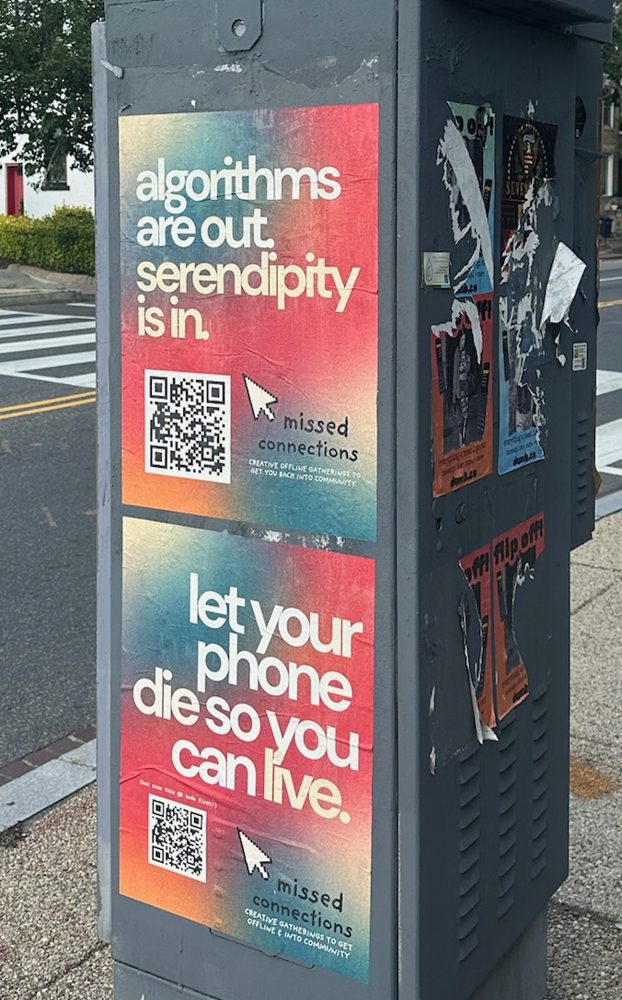
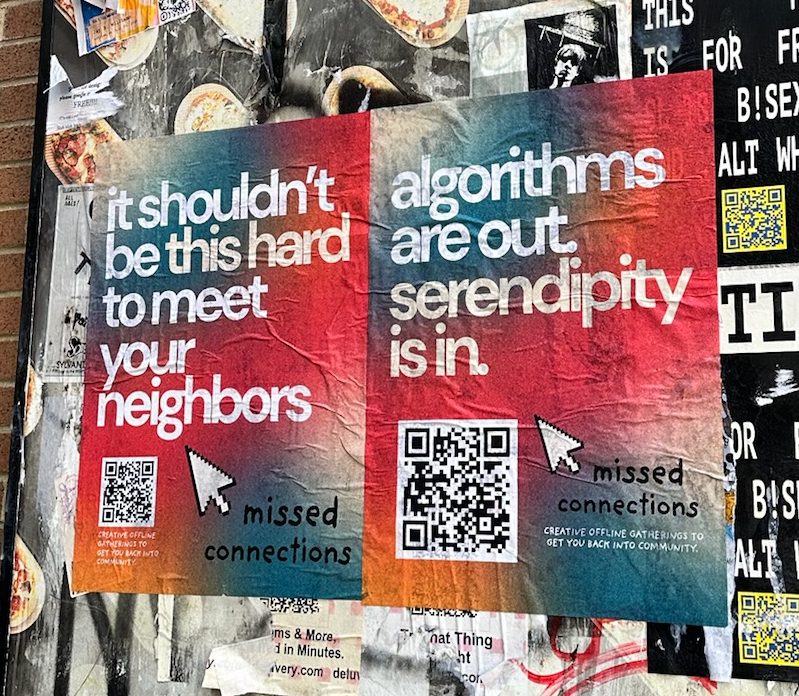
“Missed connections” forums used to be a way of using technology to recover connections that would’ve otherwise been lost. Now, technology, for all its optimization and convenience, is causing us to miss out on the everyday, serendipitous interactions that build the relationships that make life meaningful.
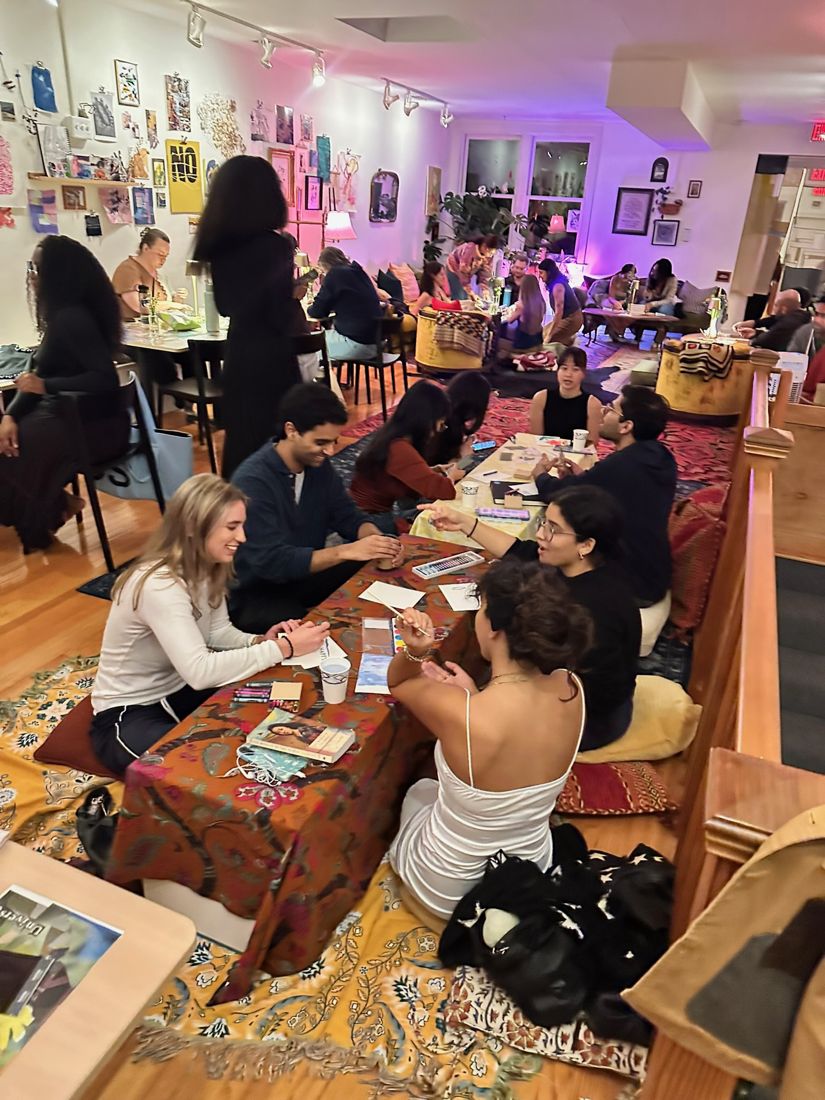
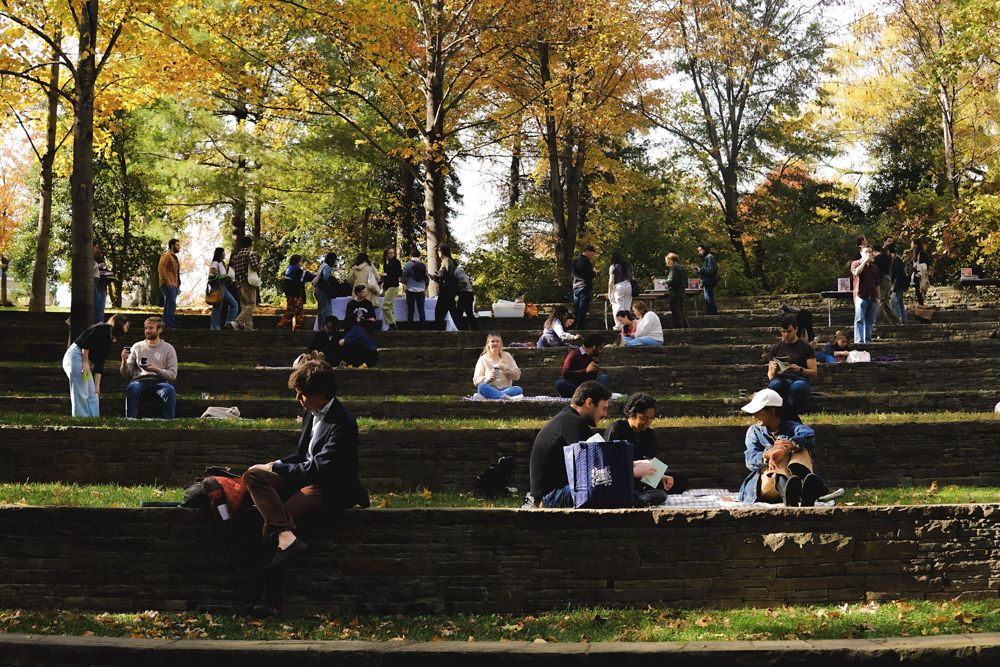
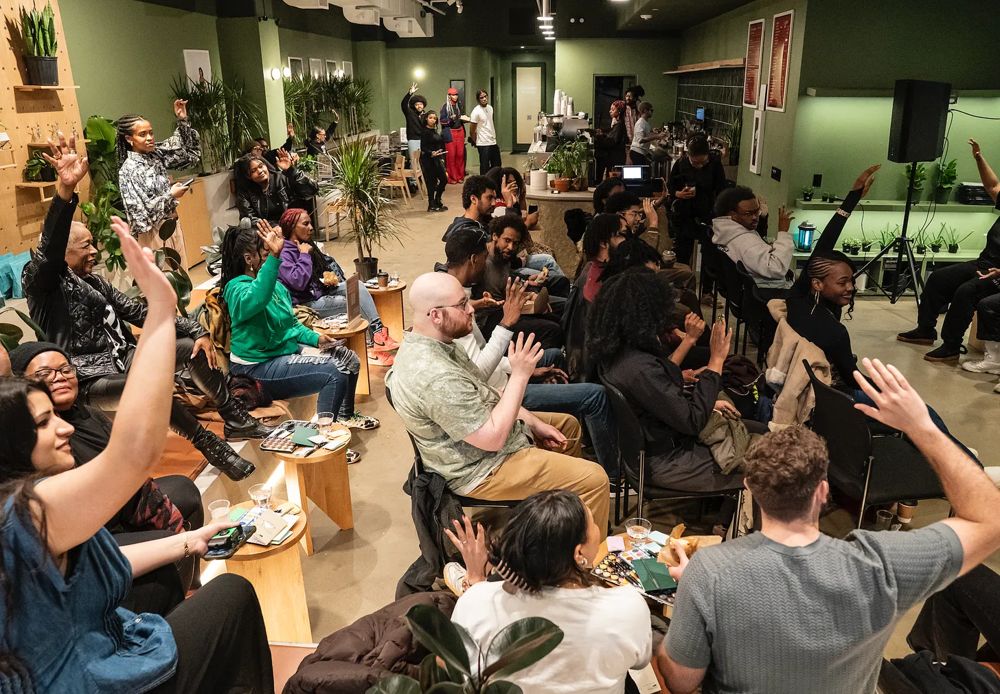
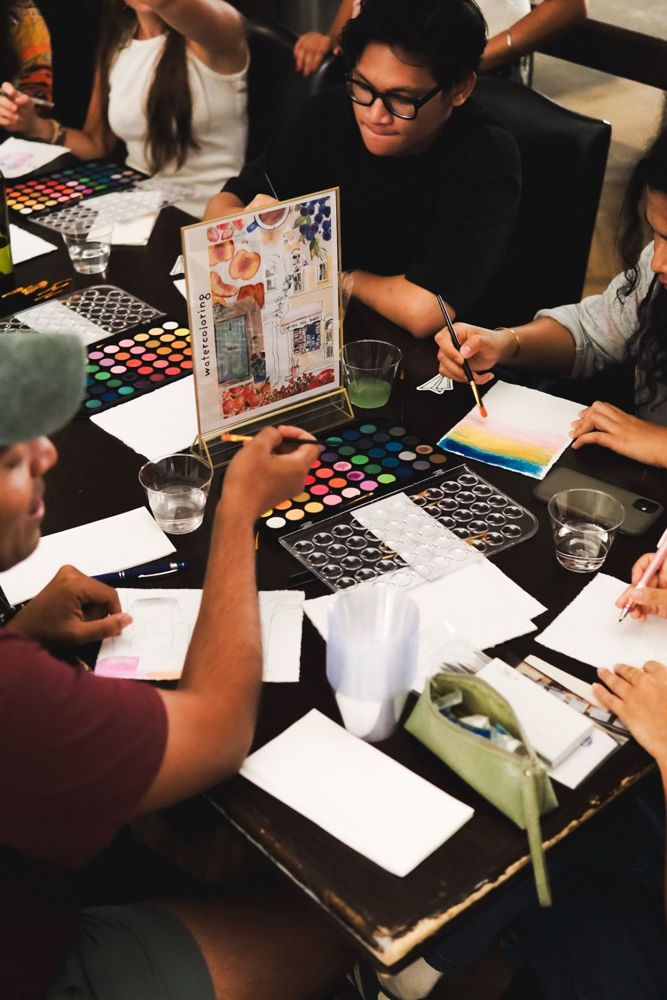
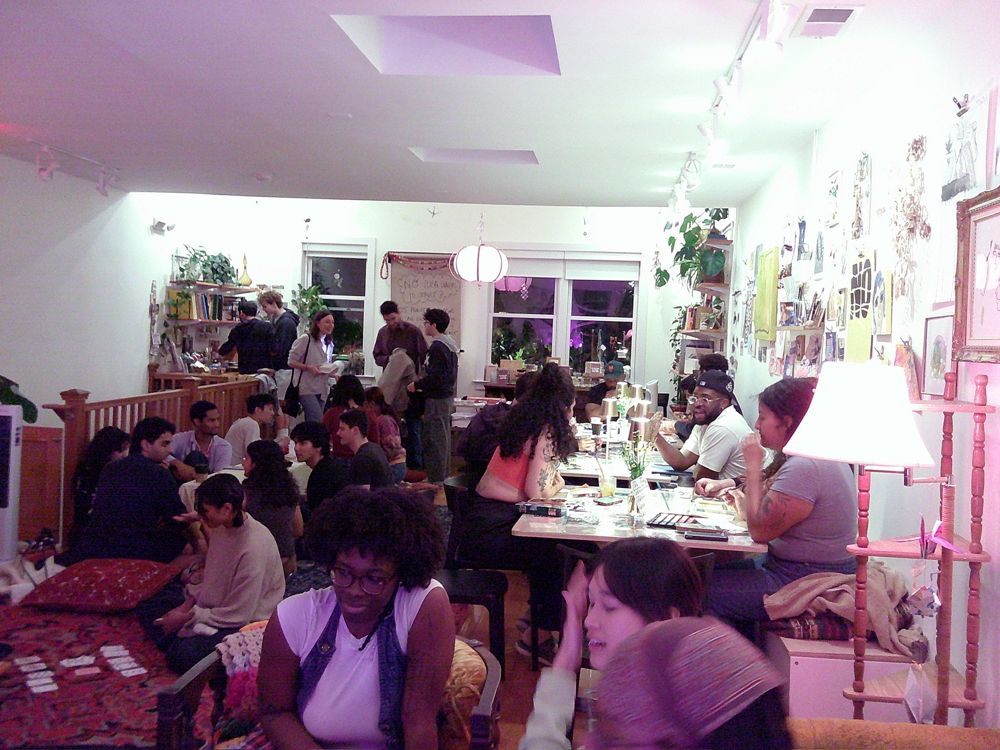
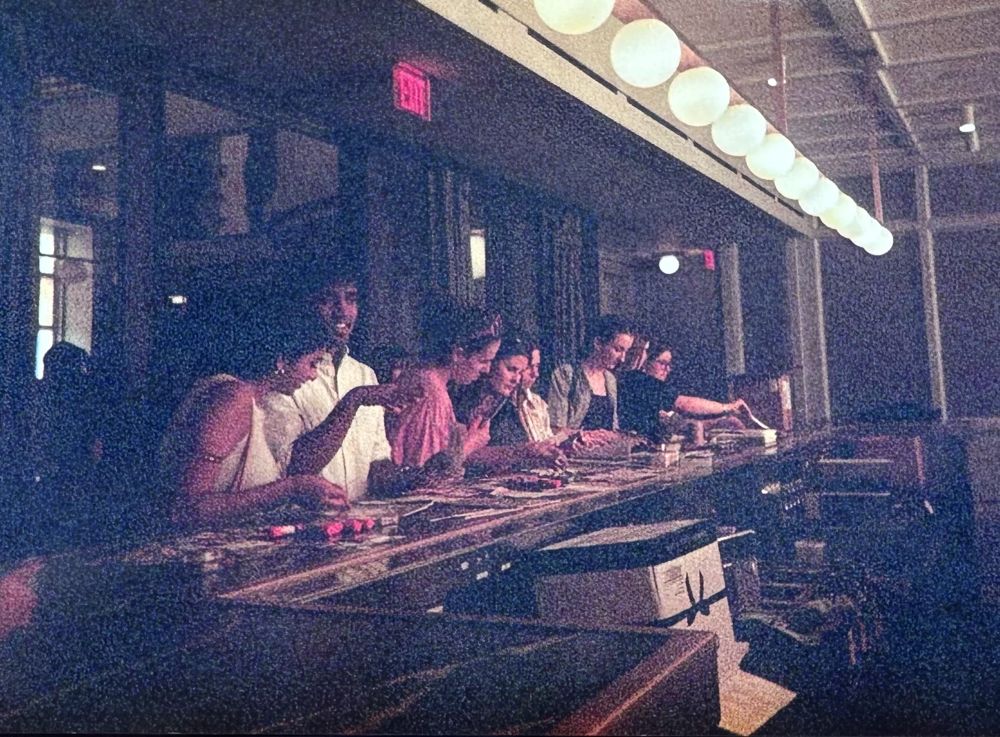
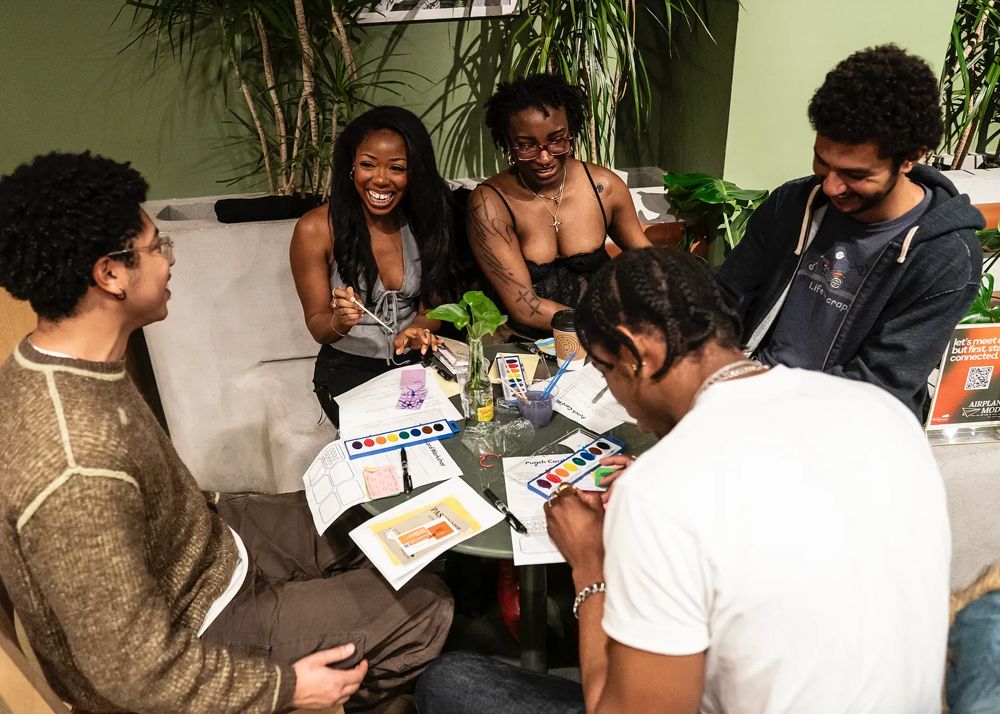
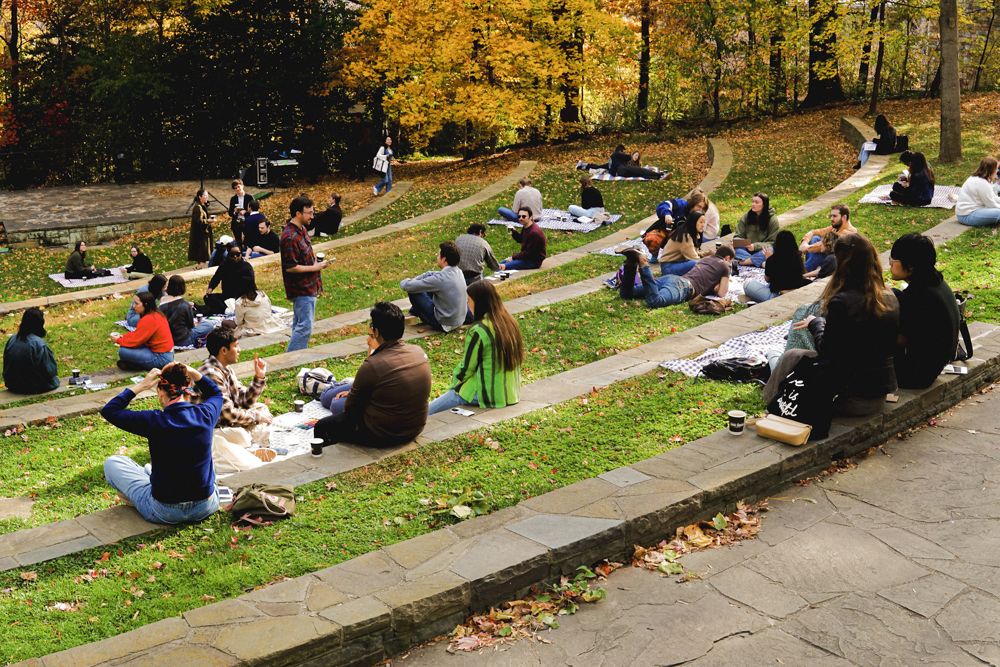
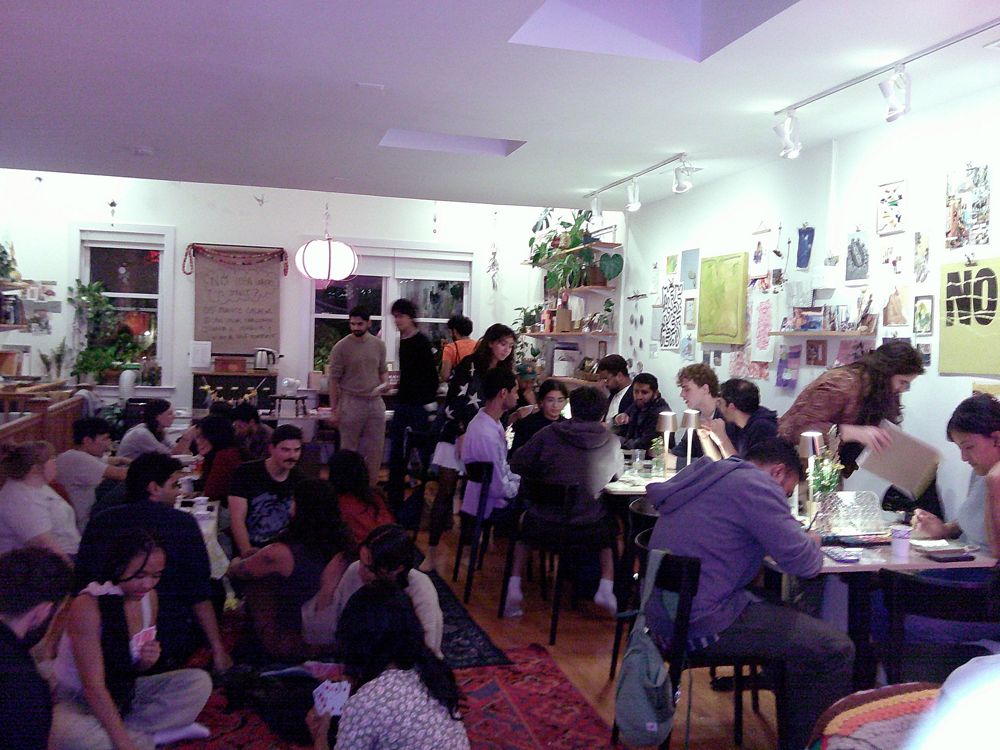
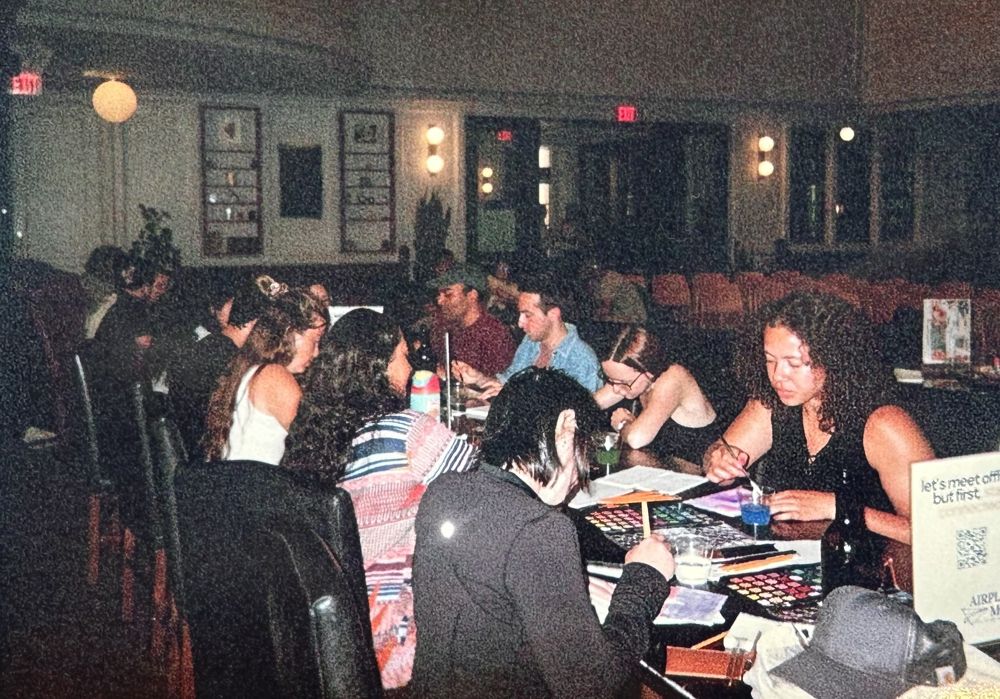
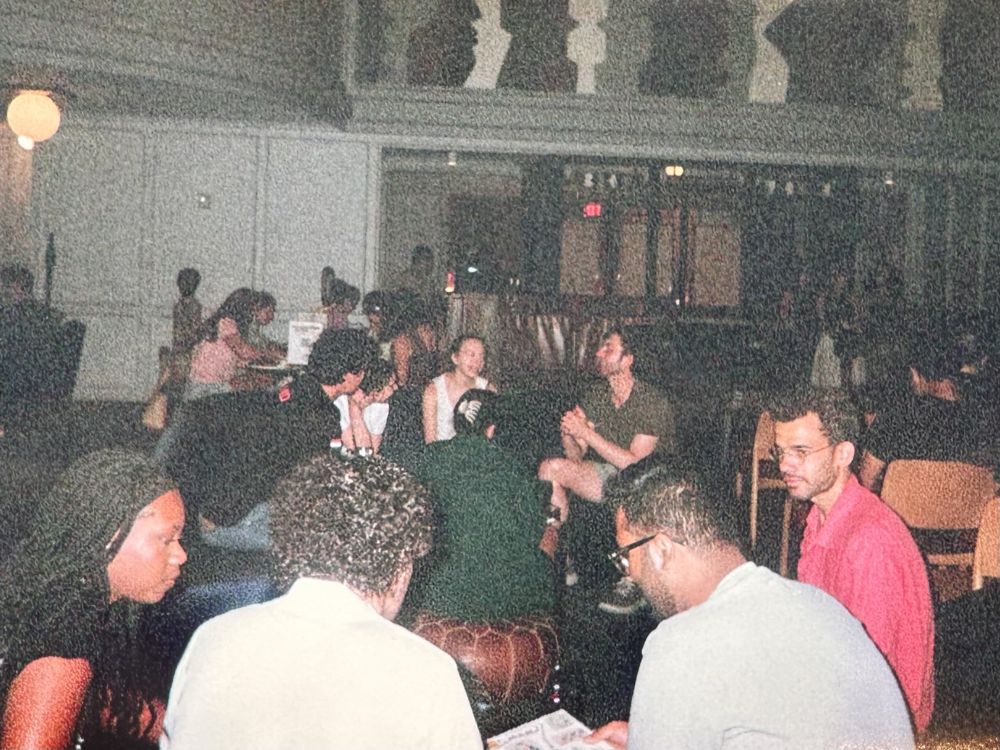
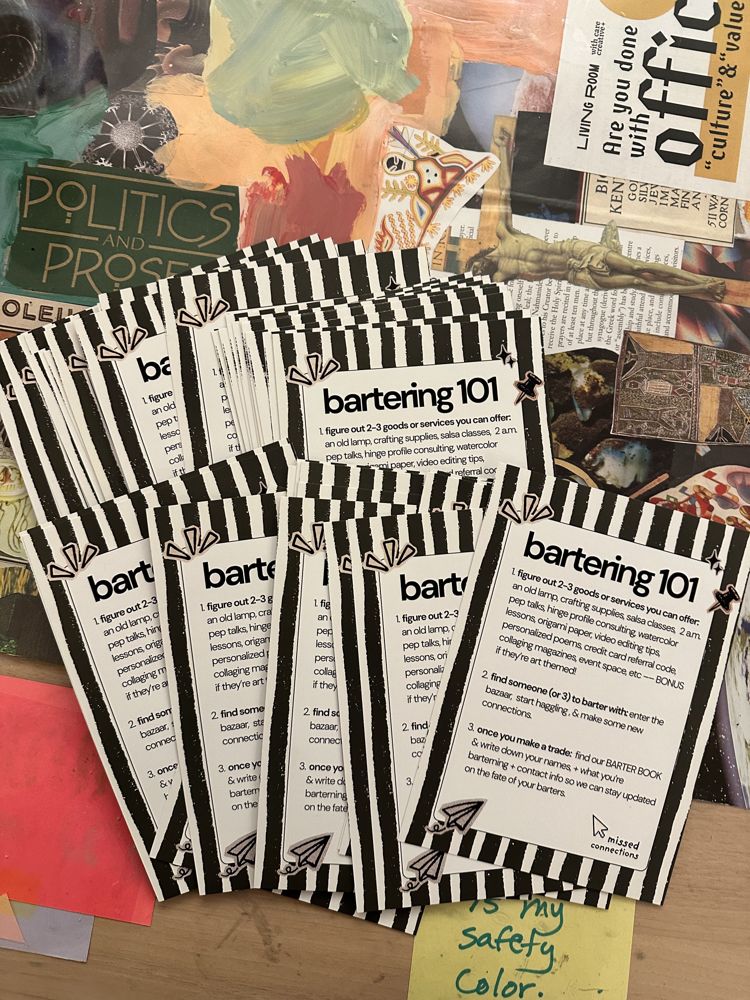
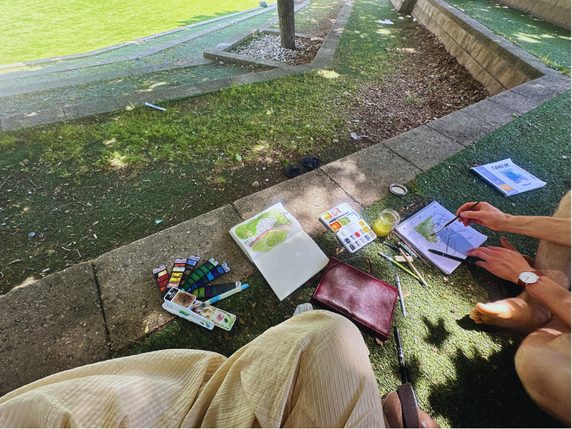
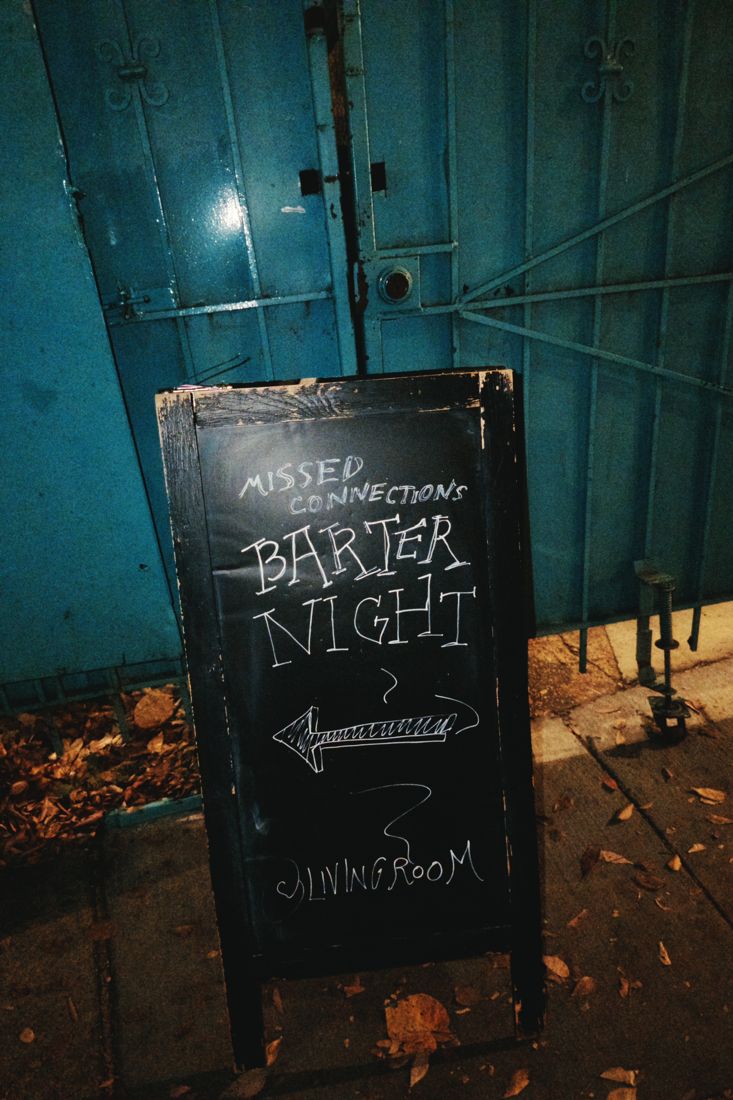
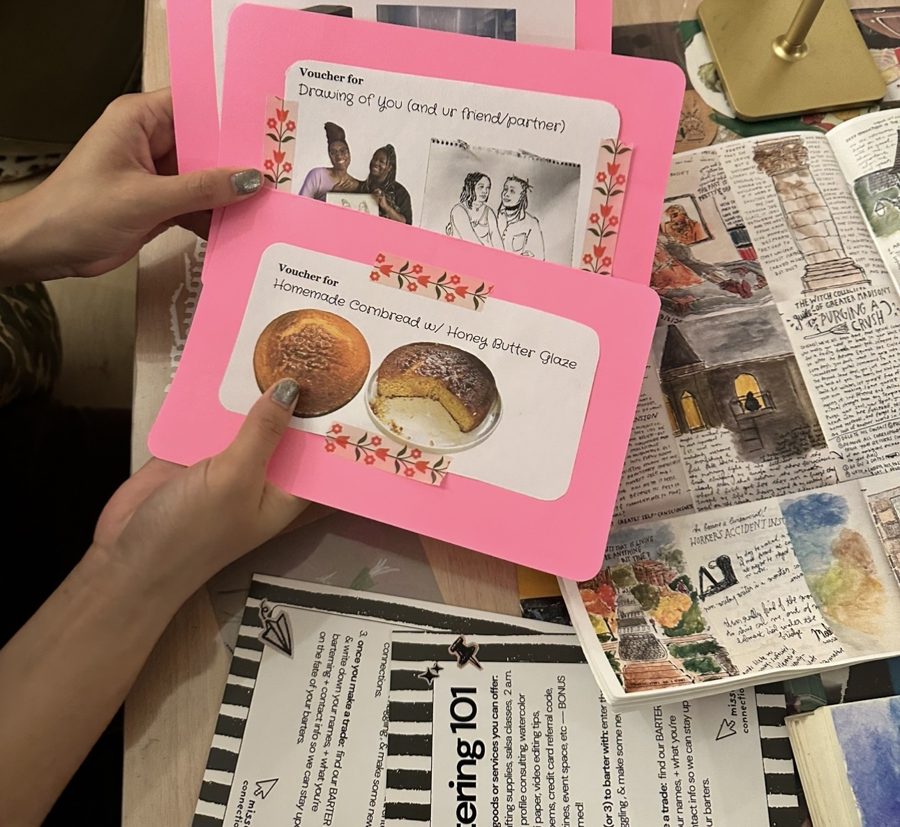
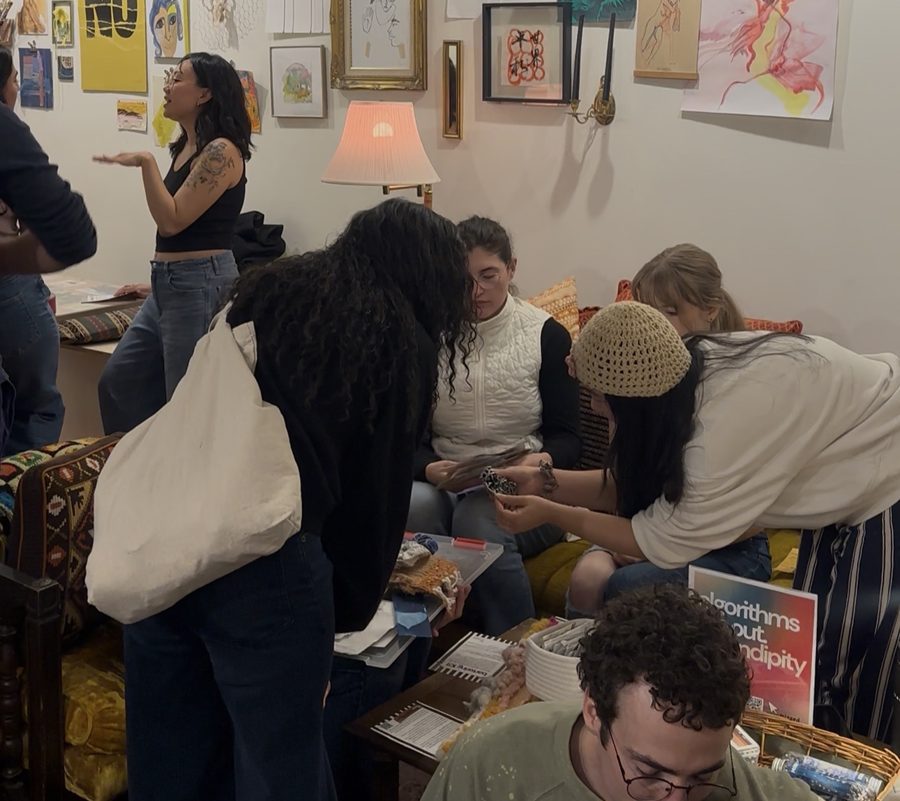
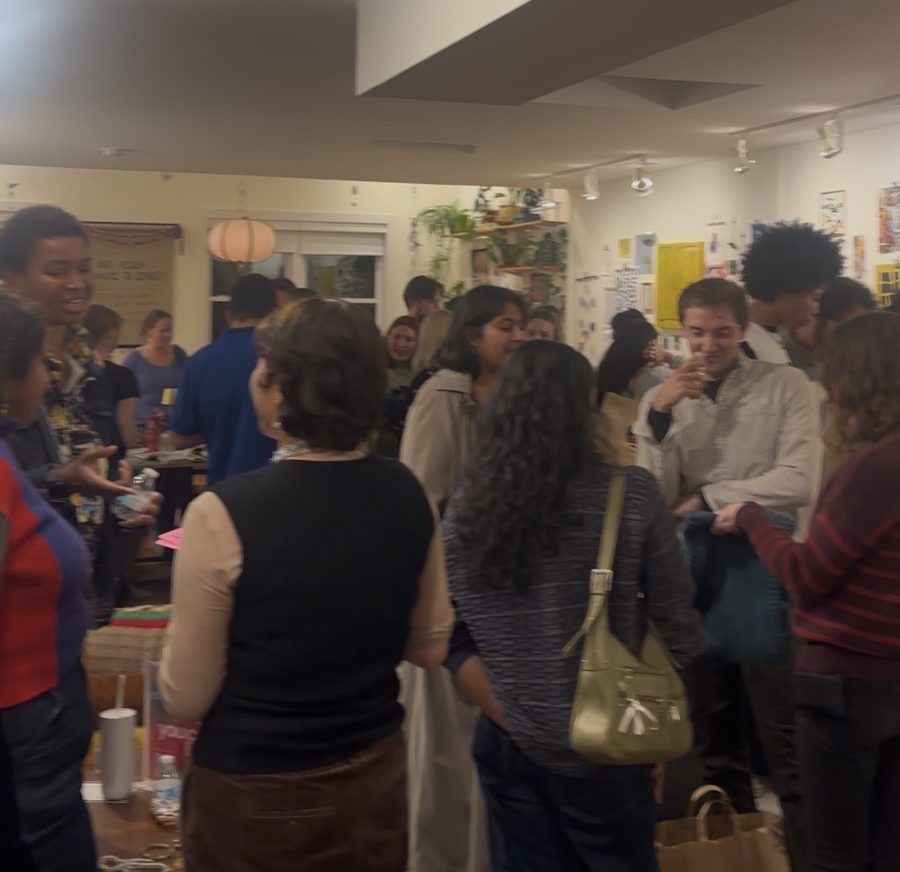
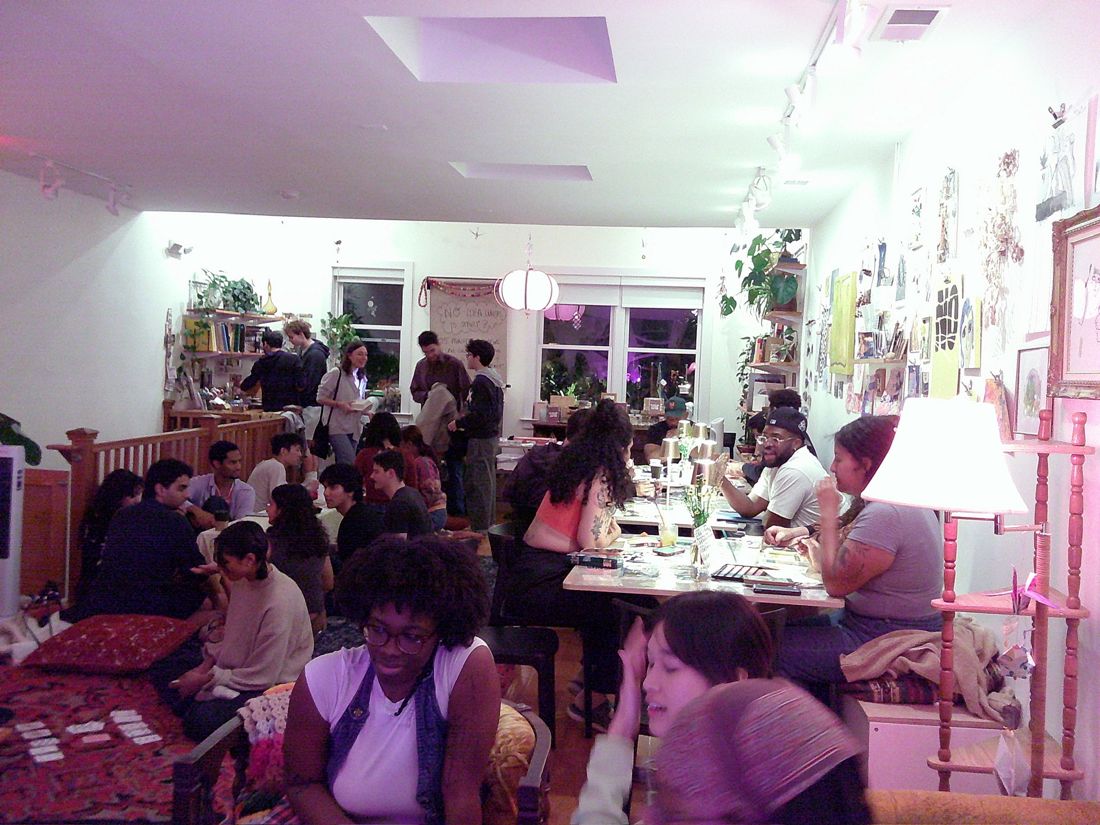
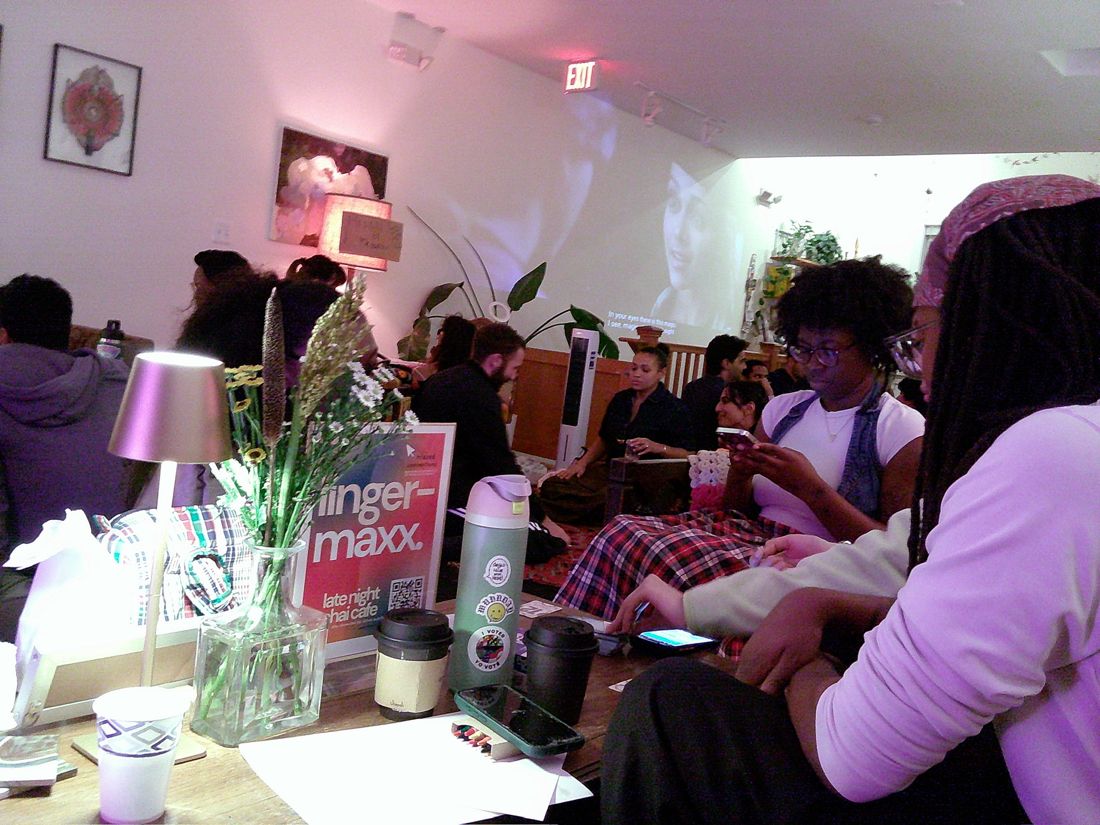
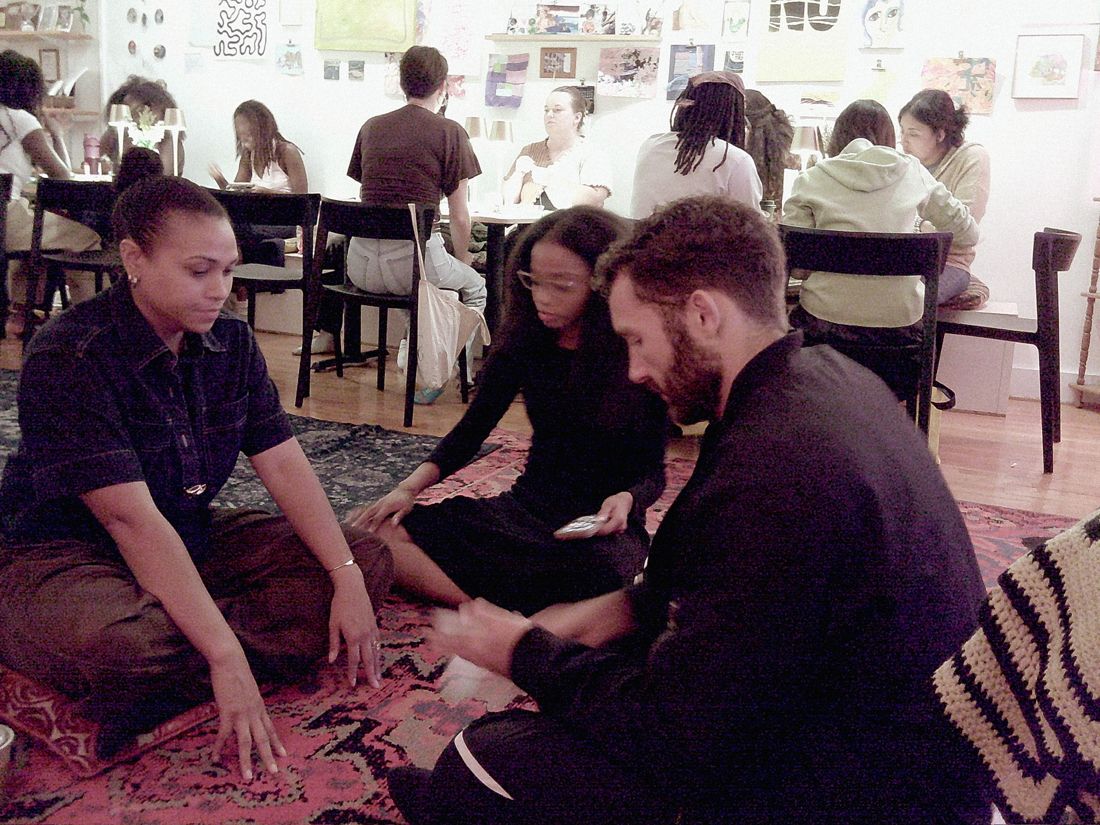
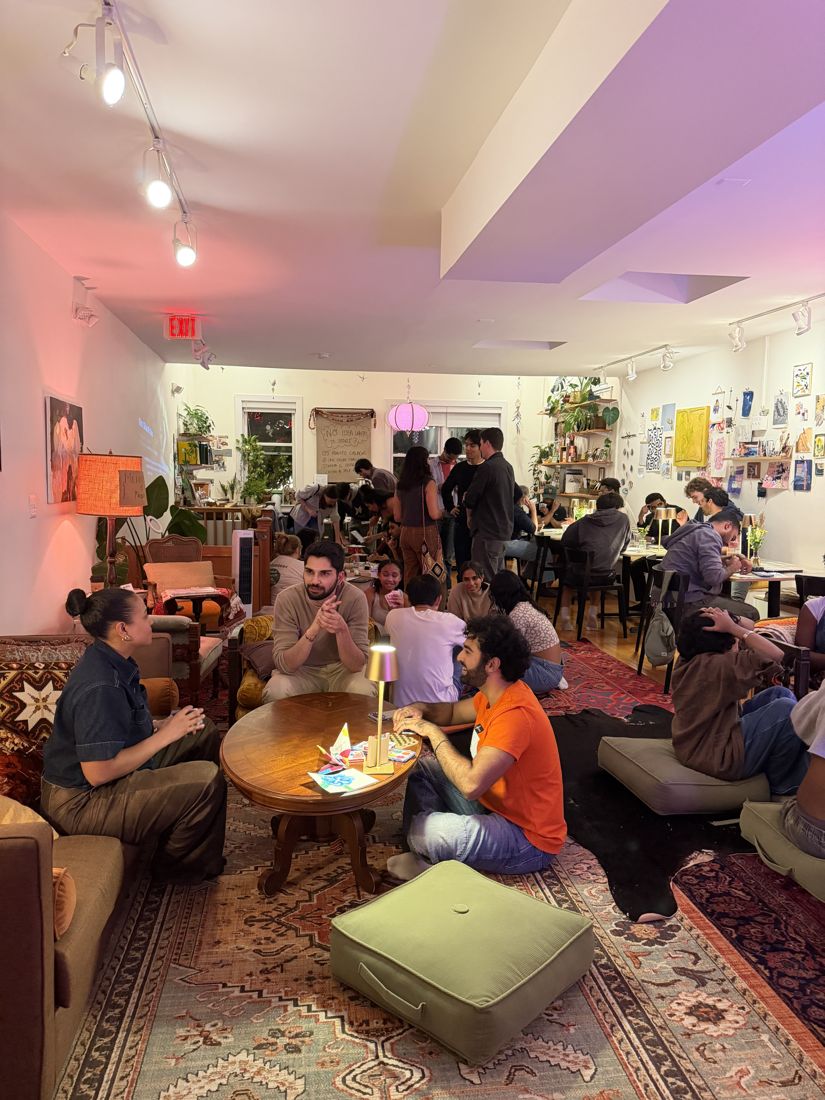
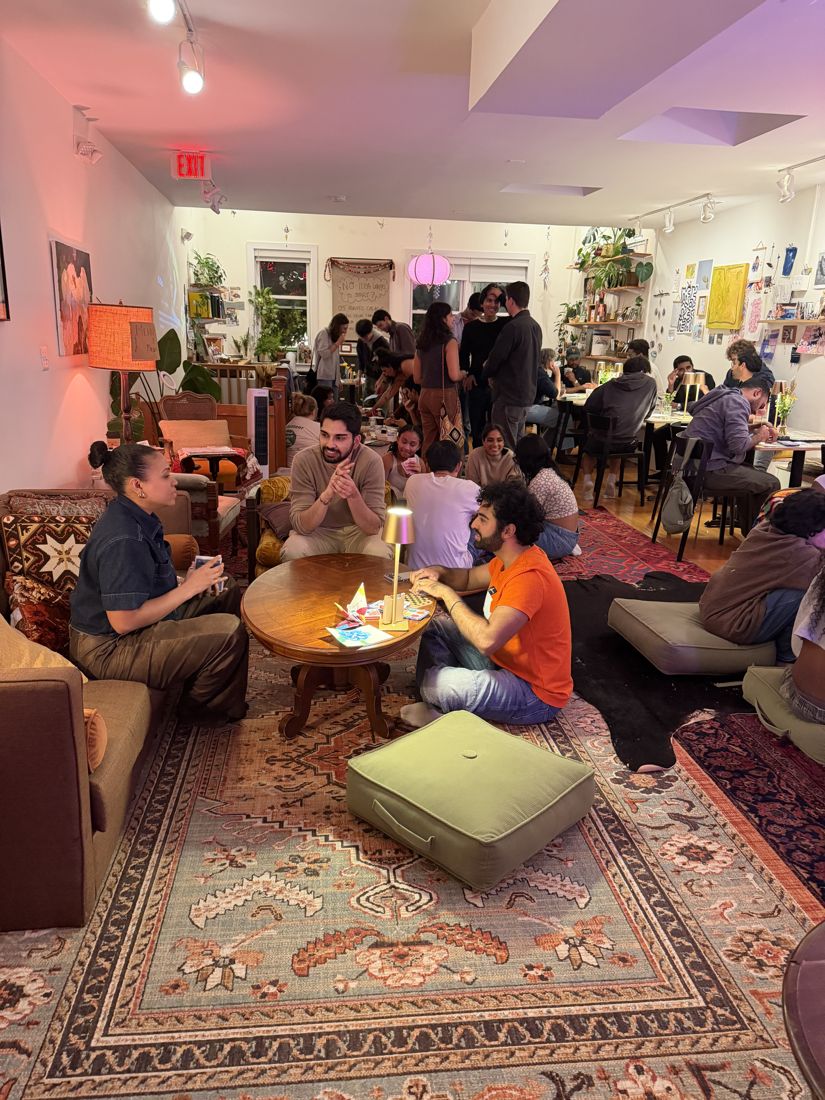
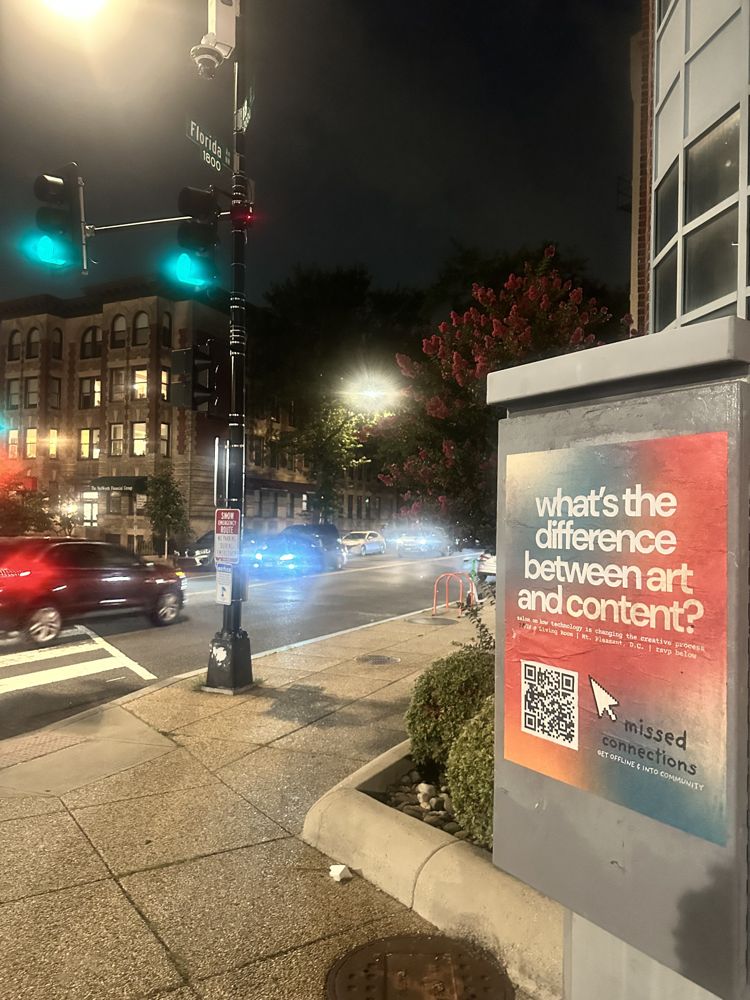
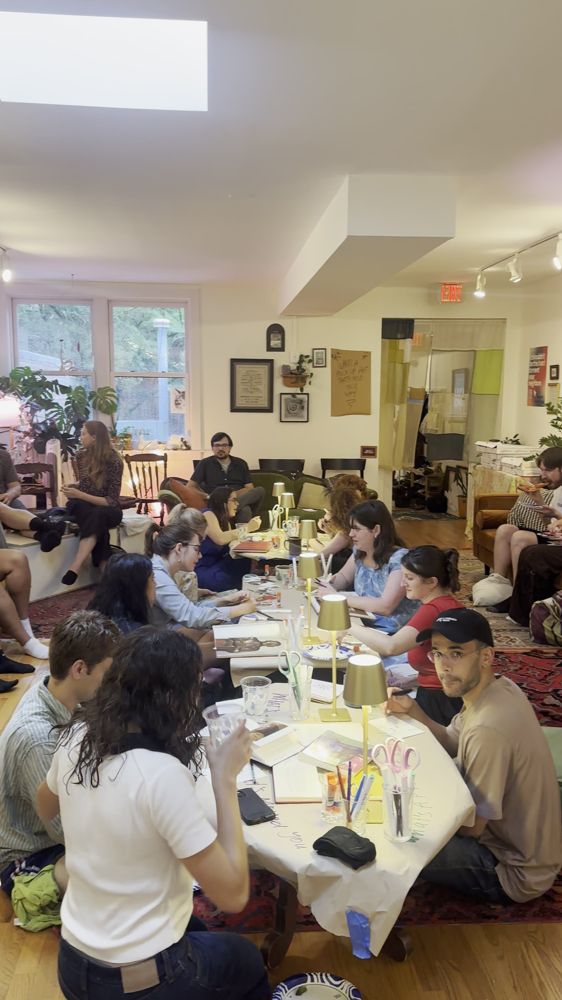
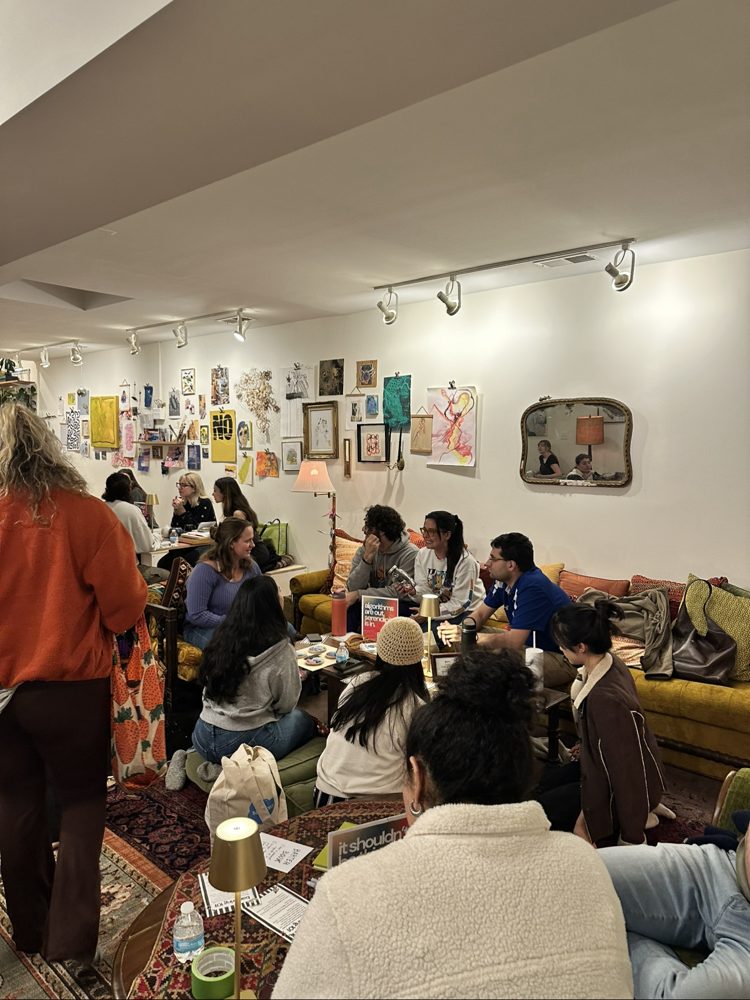
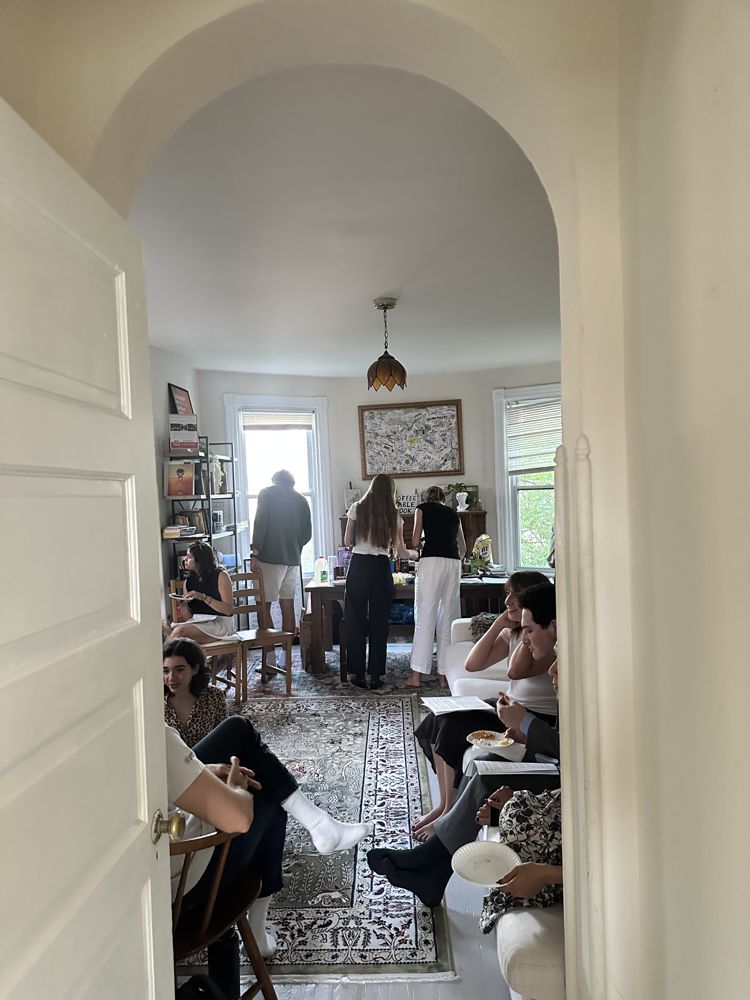
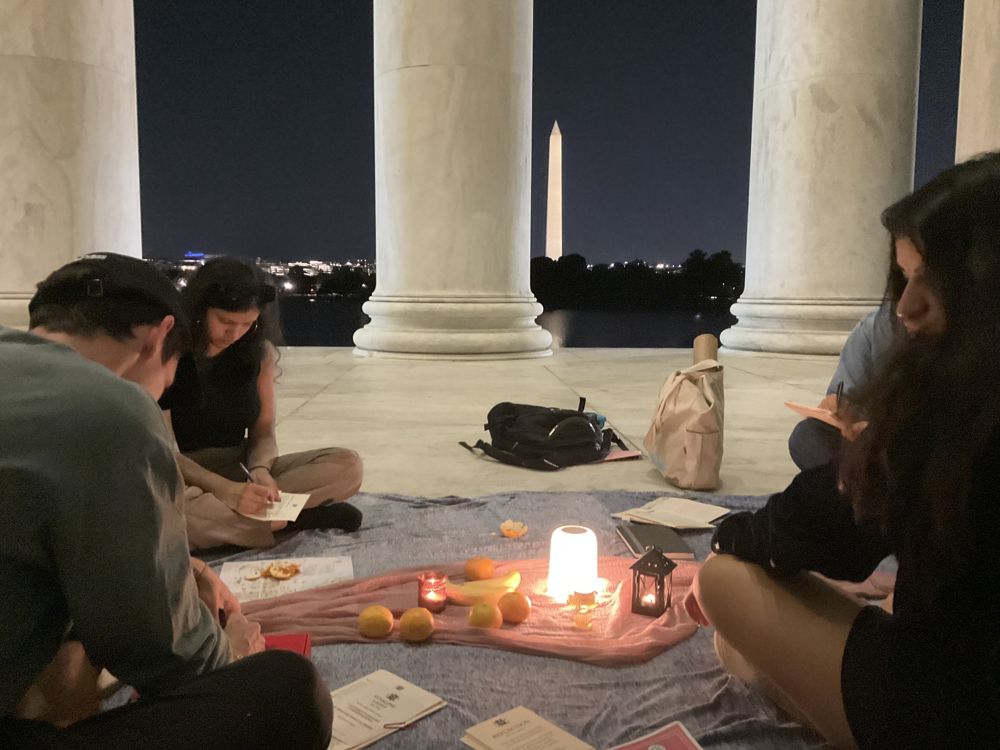
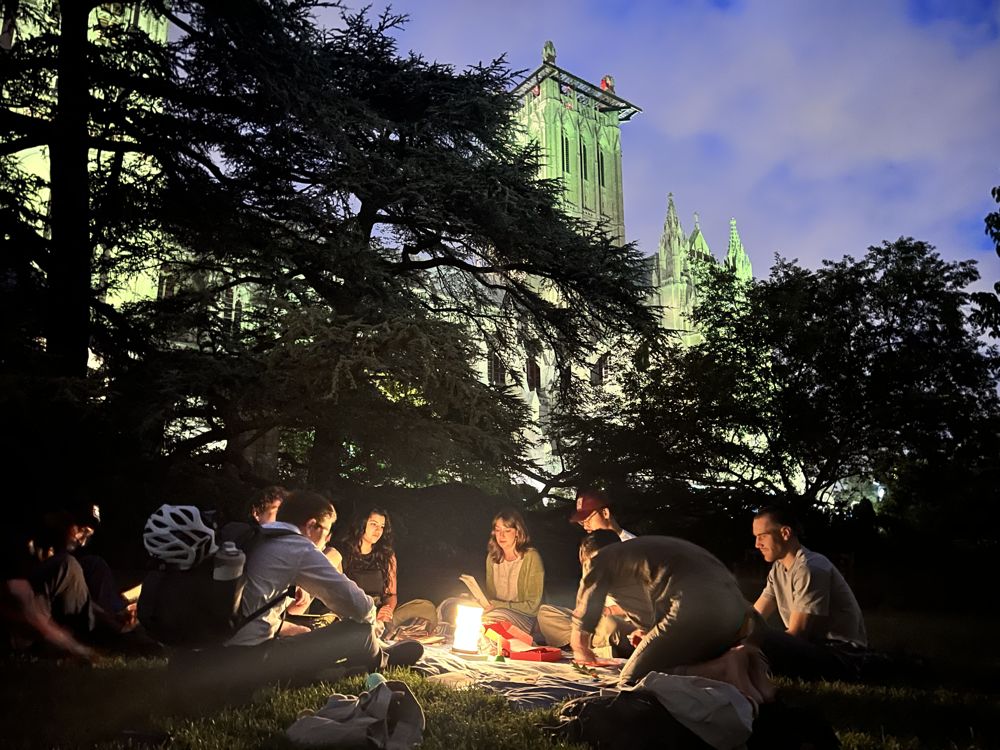
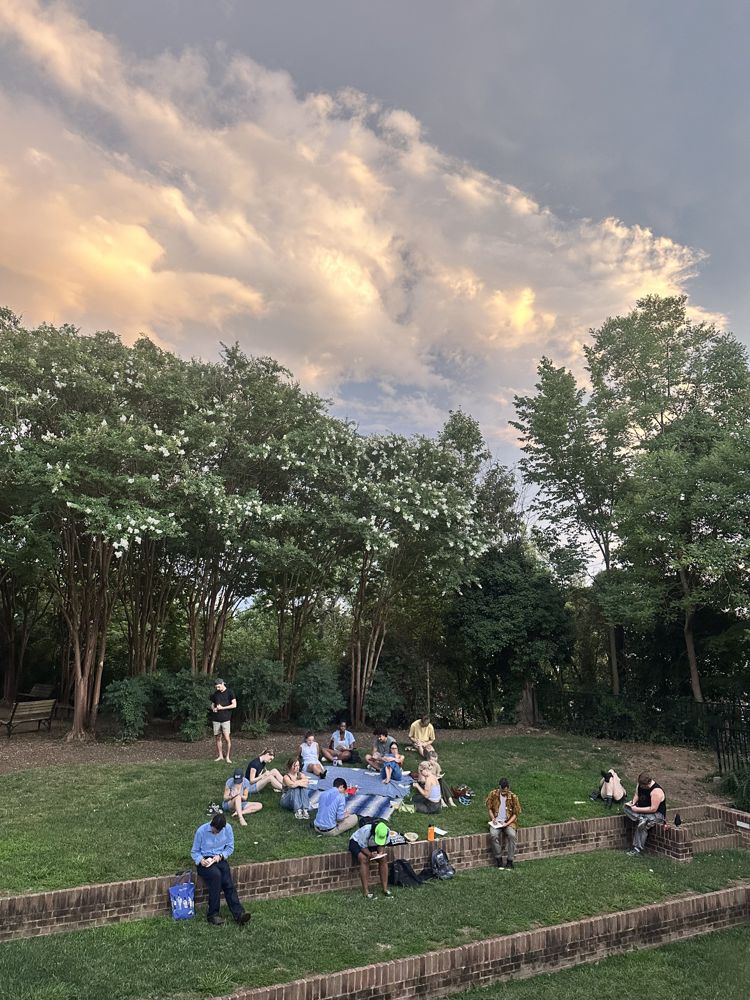
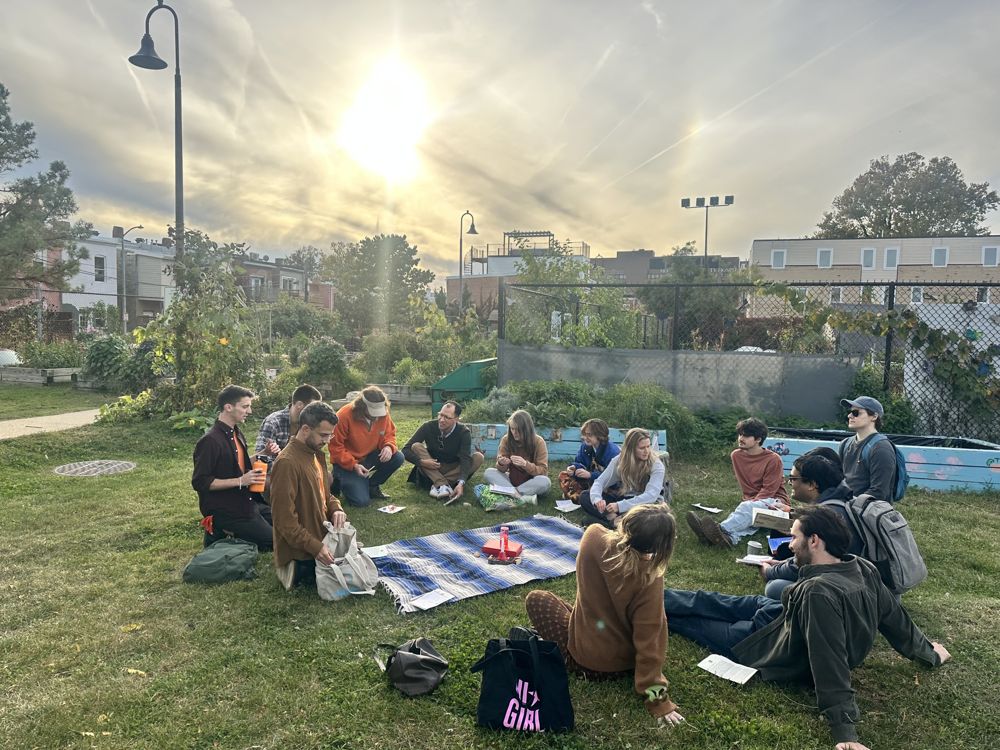
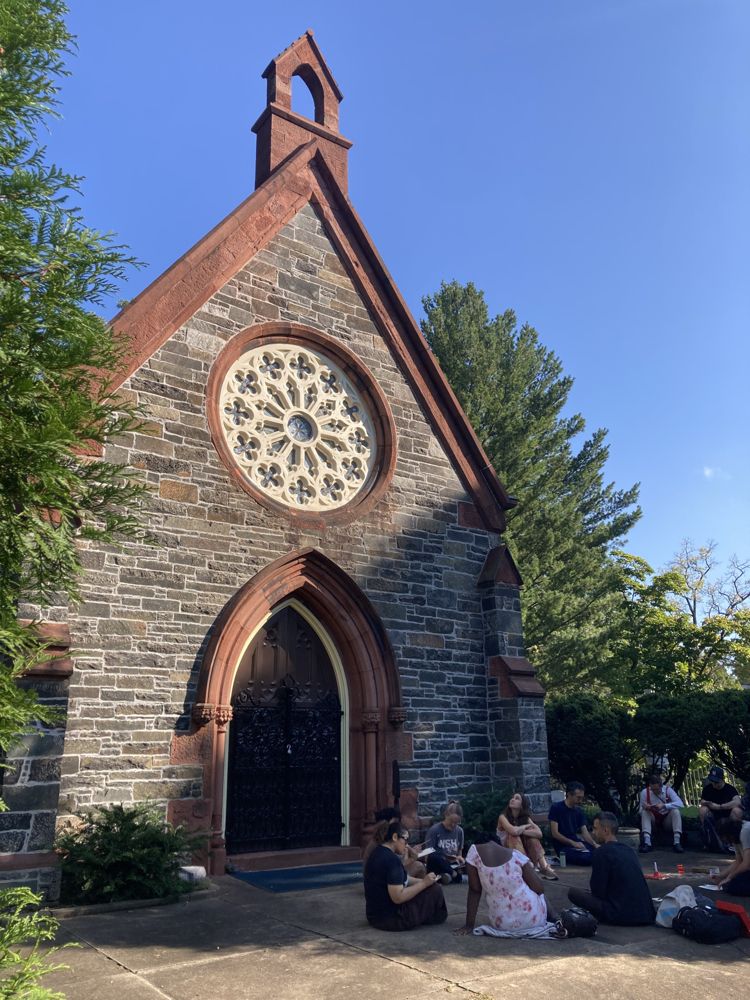
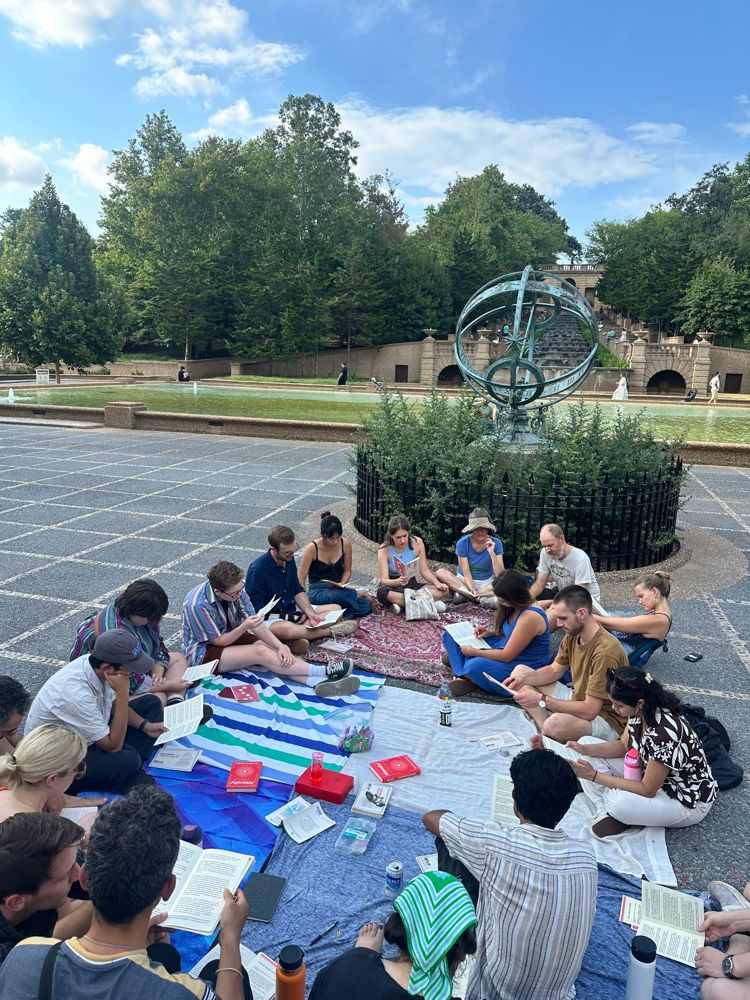
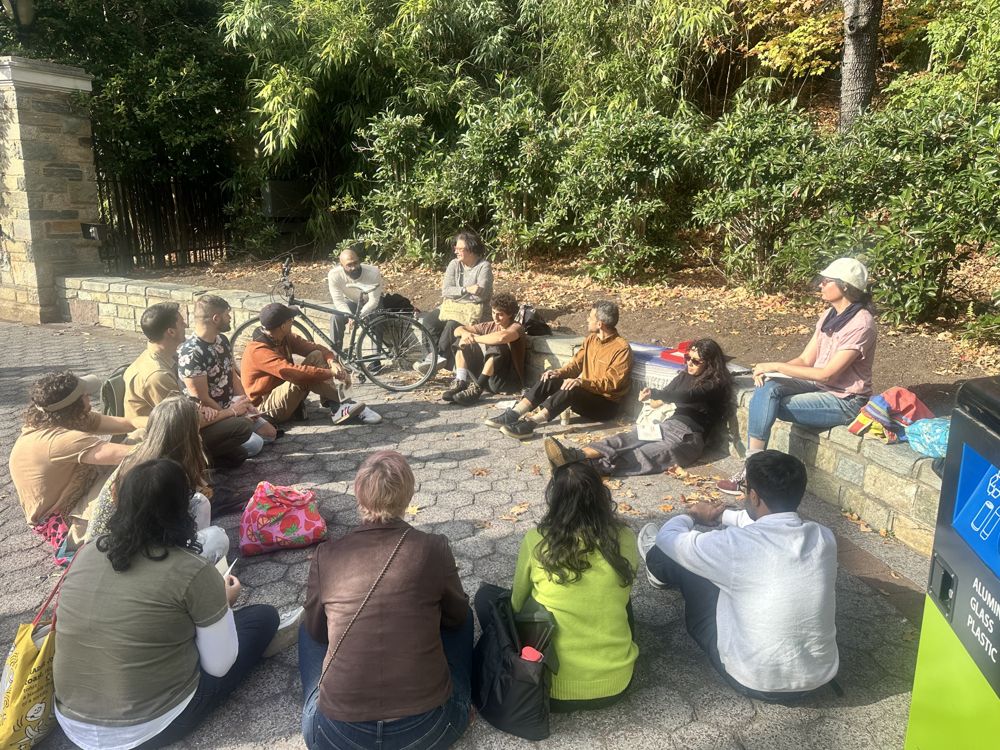
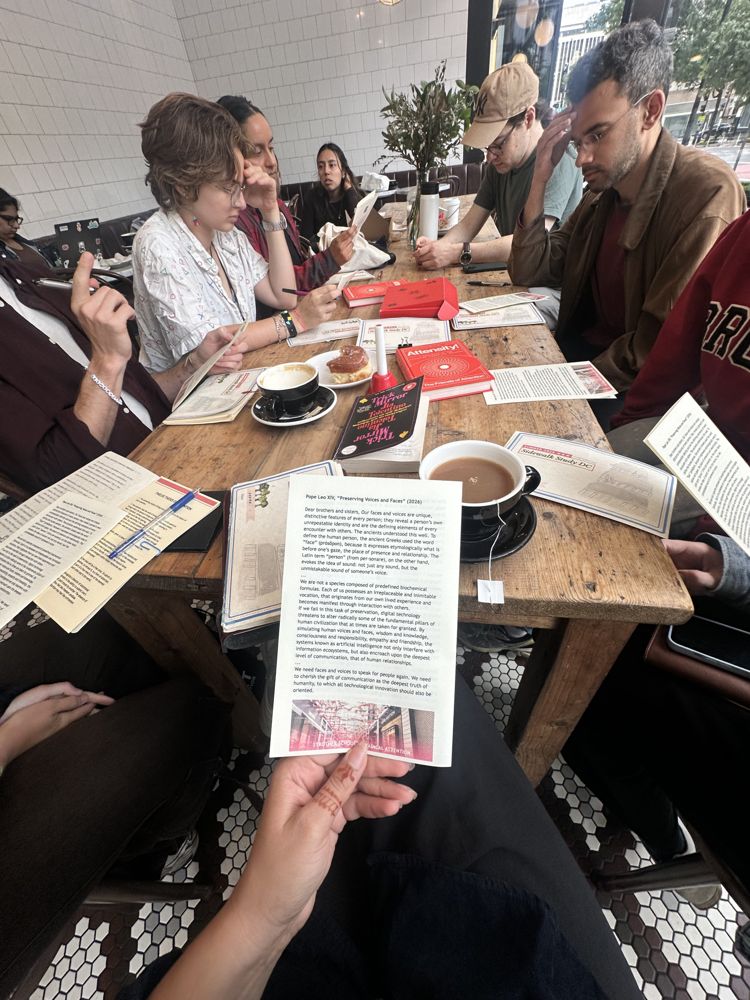
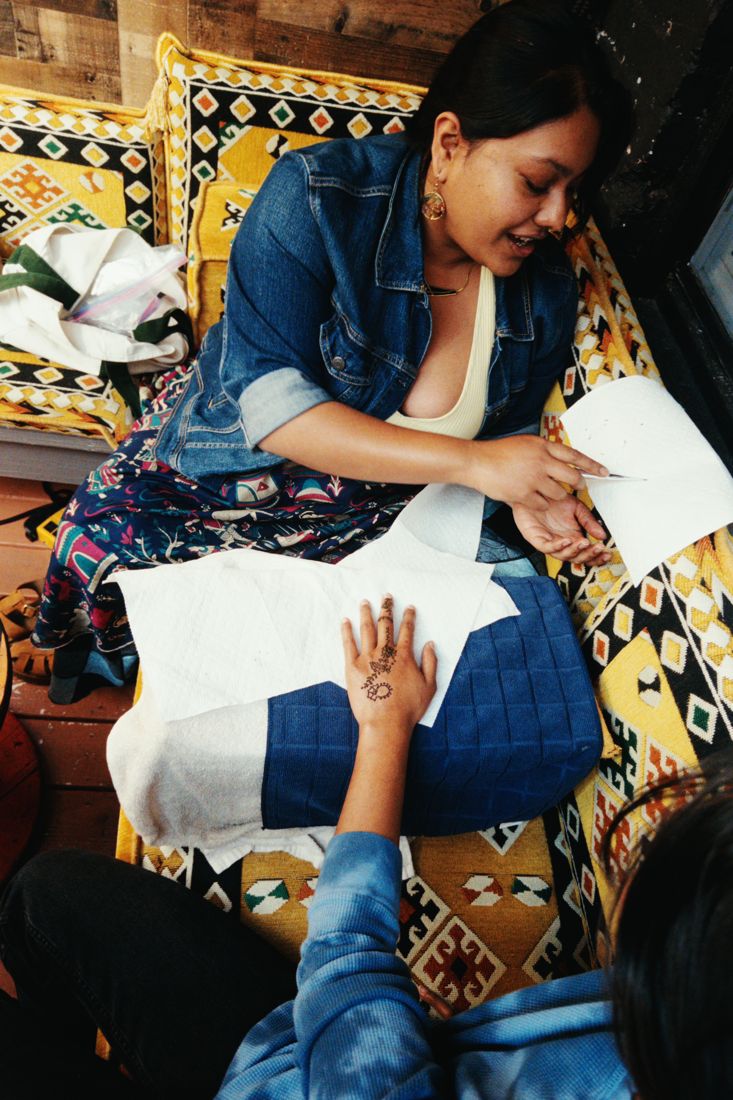
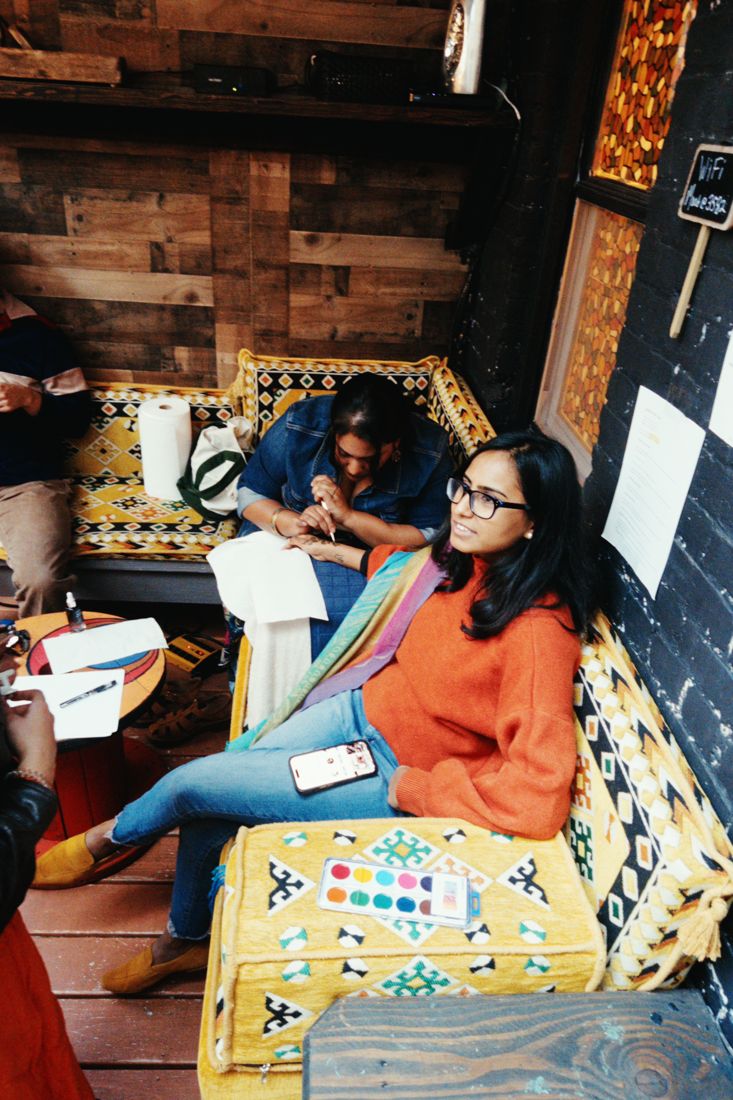
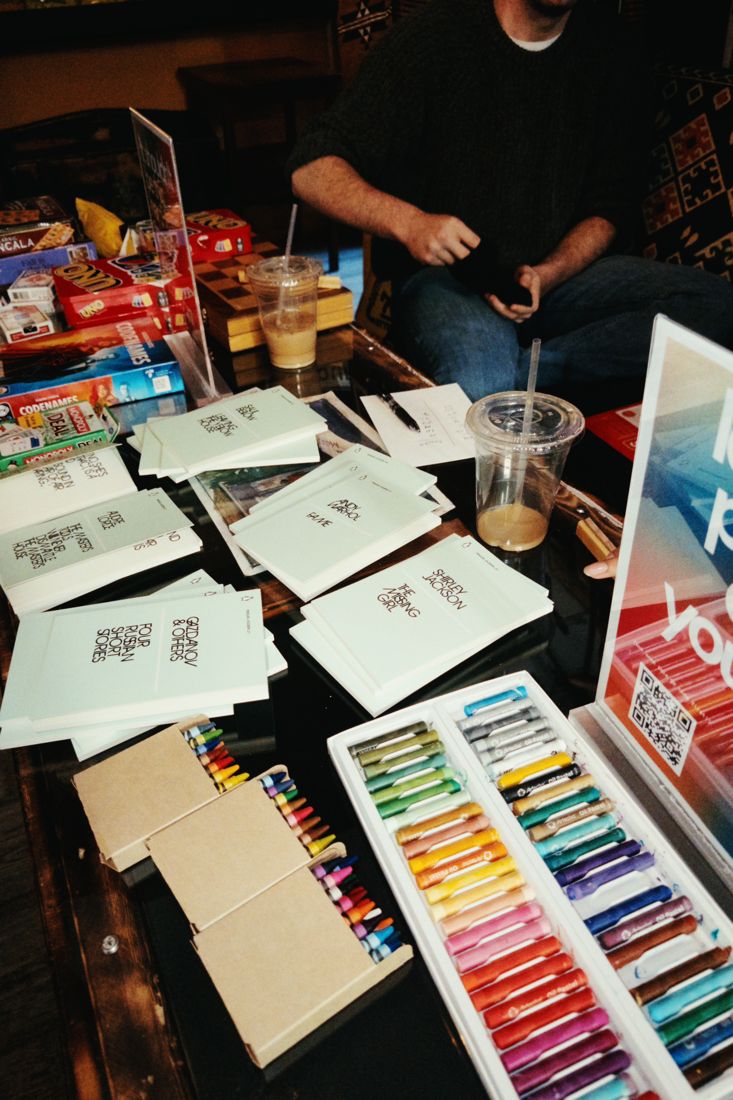
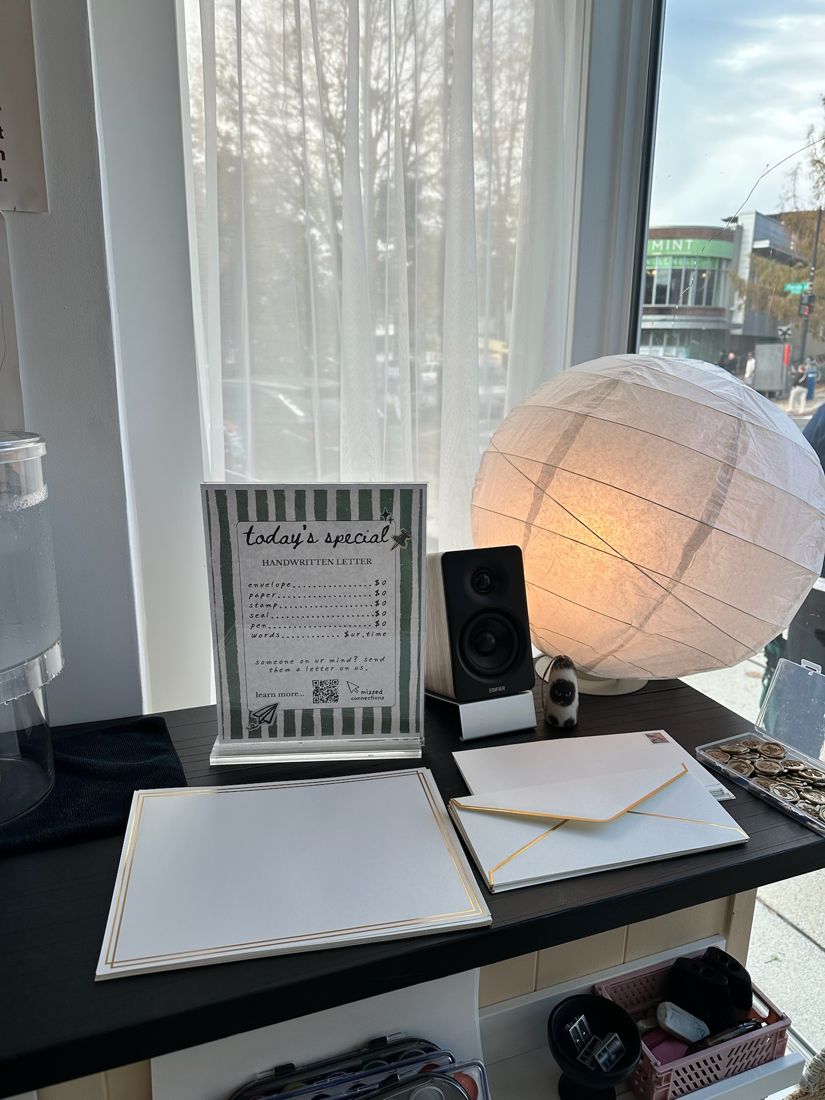
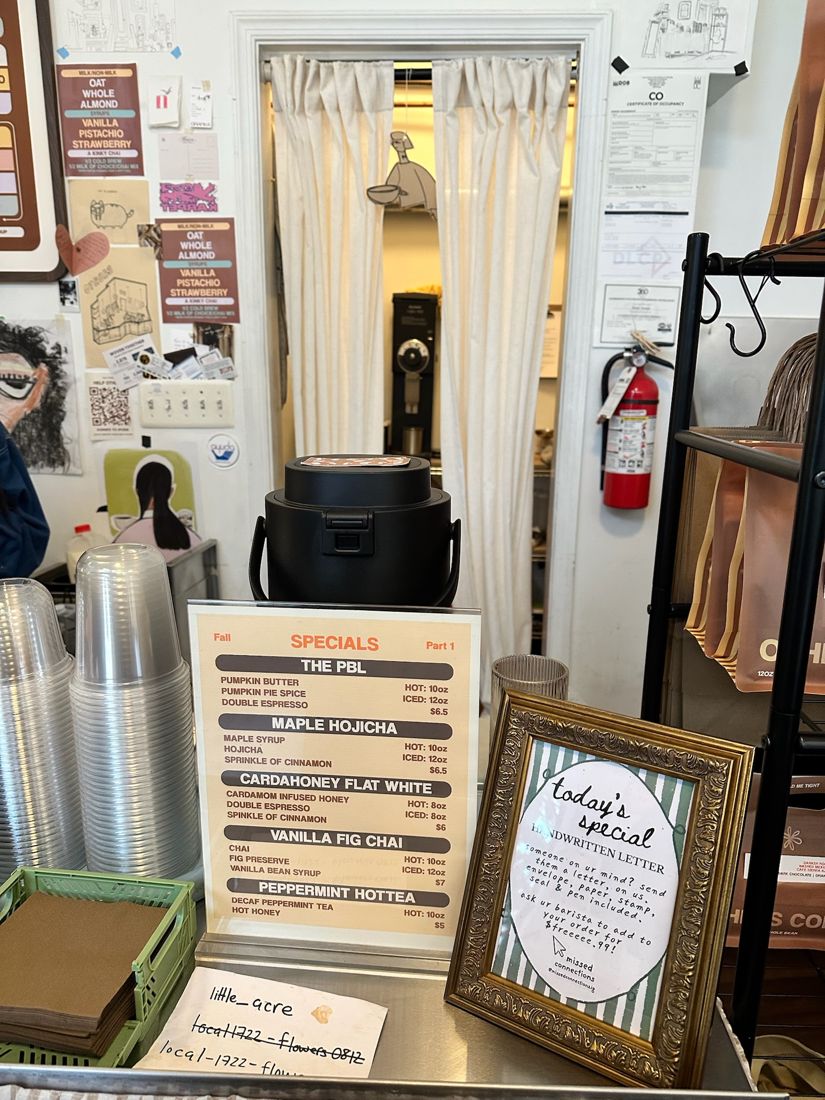
MISSED CONNECTIONS is a project to reclaim the sense of connection + place younger generations have lost by bringing Gen-Z back to public spaces and “third places” for creative gatherings. We expose people to the learned behaviors of community: the daily actions, gestures, and sacrifices involved in showing up for friends, neighbors, and strangers.
Rebuilding an innate sense of community in our physical world isn’t only about addressing the growing loneliness epidemic. It’s also central to any & all civic renewal efforts. Everything civic duty involves—a sense of obligation, service, and even sacrifice—all starts with a sense of belonging.
As more of Gen Z’s life is outsourced to technology—from Zoom school and remote work to dating apps—MISSED CONNECTIONS provides thought leadership to explore how lives spent increasingly online might impact the most ineffable but profound aspects of human experience: memory, boredom, attention, and fundamentally: connection.
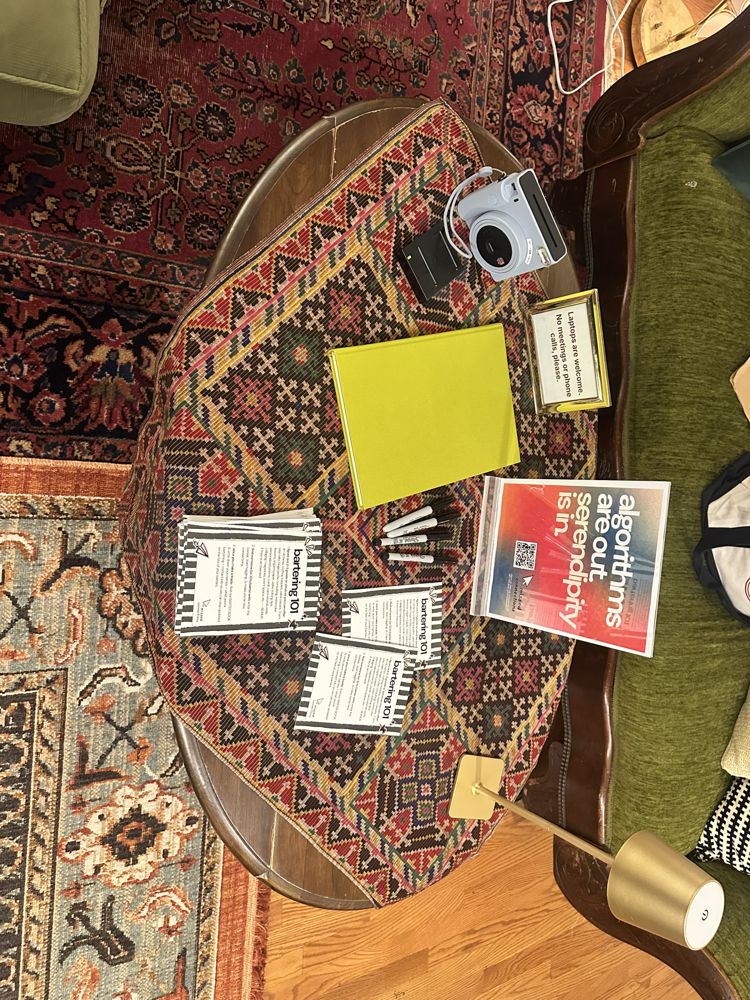
As technology engineers an expectation of optimization and convenience into our culture and economy, our sense of everyday serendipity has been altered. The kind that makes you feel like you can simply walk outside and take part in thrilling traffic—the detours, the momentum, the chance exchanges—of the real world. Historically, humans have built connections through reliance. Asking for the time or looking for directions gives you a reason to cross the room and say hello. Technology has connected us to the rest of the world while removing our reasons to rely on the people right beside us. What new cultural guideposts can help us find our neighbors, our community, and a sense of place again?
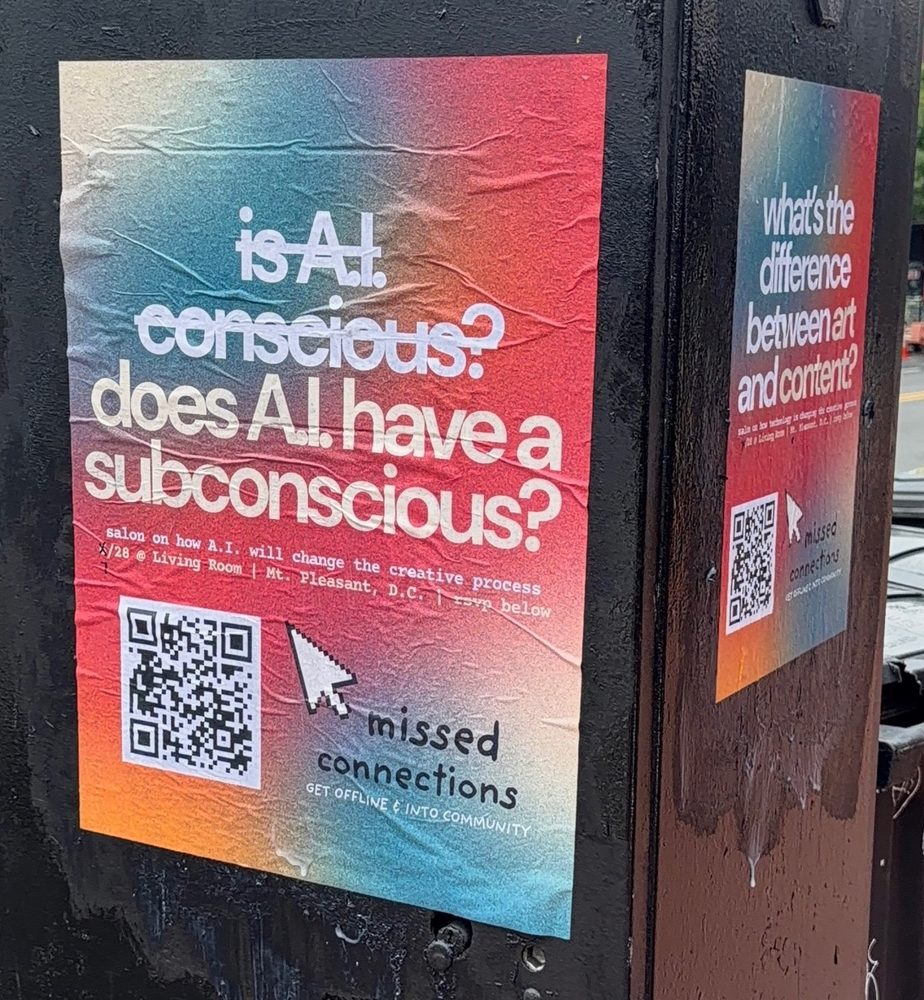
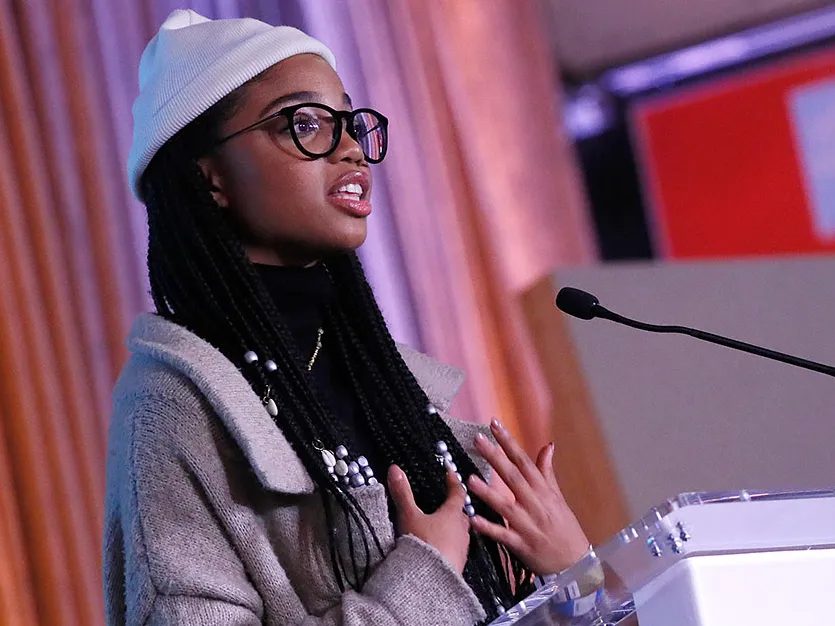
The national tech-regulation conversation is full of well-meaning stakeholders: parents, administrators, and researchers, all advocating for better online safety — from age verification bills to mitigating access to harmful content. But few voices, and fewer digital natives, have had the chance to articulate the deeper cultural, sociological, and spiritual transformations taking place. Through events and thought leadership — interviews, essays, salons, dinner parties, panels, roundtables, and townhalls — we offer up the first-person, youth-driven vocabulary for what it means to be human in an age of rapidly accelerating technology.